Flower and Snake
1209 E Pike St, Suite 2G, Capitol Hill, Seattle
Next: Partnered Tying for Beginners
Wed 11 Nov · 19:00
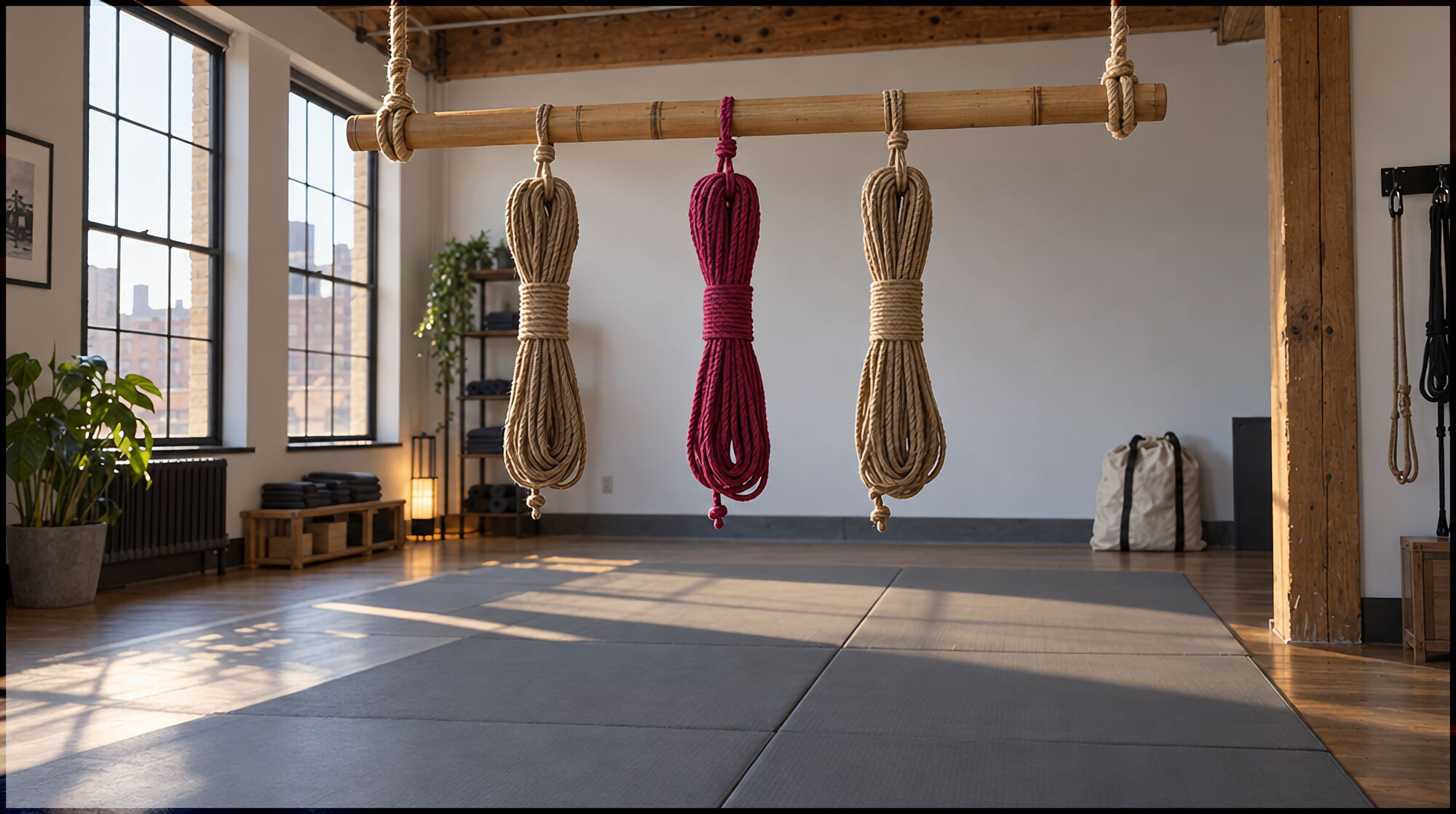
Seattle's rope scene centers on two dedicated spaces, the gay rope studio House of Knotty and the Capitol Hill rope lounge Flower and Snake, alongside kink-education groups, small-group workshops and a curated regional events guide.
1209 E Pike St, Suite 2G, Capitol Hill, Seattle
Next: Partnered Tying for Beginners
Wed 11 Nov · 19:00
3100 Airport Way S, Seattle (old Rainier Brewery)
Next: Cowboy Chair Bondage
Sat 21 Nov · 18:30
Central District, Seattle (exact address sent to ticket holders)
Next: Intro to Shibari
Sat 21 Nov · 14:00
Next: Second Saturday Bondage Jam
Sat 14 Nov · 18:00
Next: Shibari 101: Rope Bondage for Every Body
Sat 14 Nov
Seattle’s rope scene sits inside an older network of kink clubs and makers. The Center for Sex Positive Culture, a members’ club for BDSM and other sex-positive groups, was founded in 1999 as the Seattle Sex Positive Community Center and was known as The Wet Spot until it took its present name in 2007; after its building was demolished in 2017 it moved to Gallery Erato, which still appears on local rope calendars. Rope is also made in the city: The Twisted Monk says it hand-finishes its rope in Seattle and gives 2004 as its founding year. How American rope grew from a few teachers into conventions and studios is told in Kinbaku in North America.
House of Knotty presents itself as Seattle’s gay rope studio, with Shibari Shawn as lead instructor. Its beginner classes cover topics such as bedroom bondage, chest harnesses and chair and predicament bondage; intermediate classes move on to ties such as the hogtie and agura and to partial suspension. Each month it holds a rope jam and suspension cohorts, and Rope In Seattle lists its brunch-style Shibari Tea Dance as a social event.
Flower and Snake works differently. It calls itself a rope arts lounge on Capitol Hill and is open for practice from Thursday to Sunday, with six tying spaces for two to four people, each fitted with a seven-foot bamboo and a column for hashira work. Its owner Jacques LeBouc and co-owner Madeline Dahl write that opening the lounge let them build the sort of rope space they had long wished for themselves, centered on a rope structure they designed and made by hand, and that they treat rope as an art form. Alongside open sessions it runs ongoing classes and intensive workshops, and membership is offered through Patreon.
Teaching is spread across several groups. KinkRx, a BDSM education group that says it has been teaching since 2015, runs an Intro to Shibari workshop on the basic building blocks of Japanese rope in the Central District and covers Japanese rope in private lessons. Seattle Shibari keeps its classes small: its Shibari 101 workshop and one-day partial suspension intensive are each limited to eight pairs, and the project also works in Portland. Rope also reaches circus and aerial spaces. Rope In Seattle lists a beginner shibari class at Emerald City Trapeze Arts and a bondage jam at Misfit Strength and Circus, as well as a low-stimulation skill share at Gallery Erato.
Much of the scene is coordinated through Rope In Seattle, a guide run by Rope In Seattle, LLC, that lists events and instructors for Seattle and the wider region under a published curation policy and says it aims to point newcomers to events run by ethical organizers. Its calendar reaches as far as Bellingham and Olympia, where it lists a queer- and neurodivergent-centered rope group. It also notes that jams are not classes and have no instructor, a distinction worth knowing before a first visit; see Rope jams, munches and salons. The guide and the studios’ websites are in English, and prices on the regional calendar range from free events to workshops with a sliding scale.